Educational Article
Understanding Trauma in Children
A Guide for Parents
Yanni Aguilar, LCSW
|
Feb 12, 2026
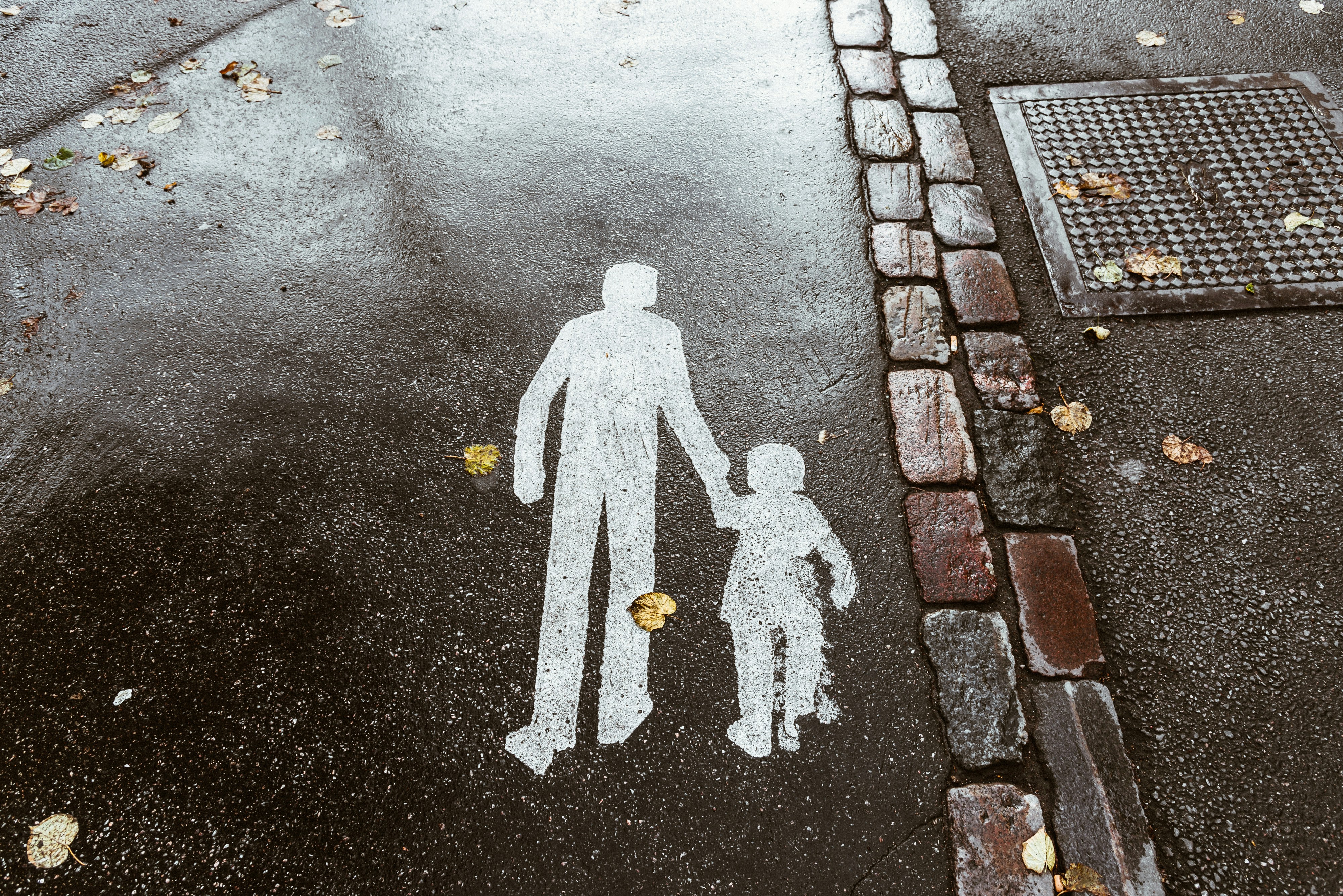
As parents, we want our children to feel safe, loved, and protected. But sometimes children experience events that overwhelm their ability to cope. When this happens, it can lead to trauma.
Trauma is not just about what happened, it is about how the experience affected your child’s sense of safety.
What Is Trauma?
Trauma happens when a child experiences something scary, confusing, painful, or overwhelming and does not have enough support to process it.
Examples may include:
Abuse (physical, emotional, or sexual)
Neglect
Domestic violence
Bullying
Accidents or medical procedures
Natural disasters
Sudden loss of a loved one
Separation from a caregiver
Ongoing conflict at home
Even events that adults may see as “not that big” can feel very big to a child
How Trauma Affects a Child’s Brain and Body
When a child feels unsafe, their brain goes into survival mode: fight, flight, freeze, or fawn (e.g. people-pleasing to stay safe).
This response is automatic. It is not a choice.
If a child experiences repeated stress, their nervous system may stay on high alert. This can affect:
Sleep
Concentration
Emotions
Behavior
Learning
Relationships
Trauma can change how a child reacts to everyday situations. What looks like “bad behavior” is often a stress response.
Signs of Trauma in Children
Trauma can look different depending on age.
Young Children May:
Become clingy
Regress (bedwetting, baby talk)
Have nightmares
Throw frequent tantrums
Be easily startled
School-Age Children May:
Have difficulty focusing
Show anger or aggression
Withdraw socially
Complain of headaches or stomachaches
Struggle academically
Teens May:
Become irritable or defiant
Isolate themselves
Take risks
Experience anxiety or depression
Have strong emotional reactions
Remember: Behavior is communication.
Instead of asking, “What’s wrong with my child?”
Try asking, “What might my child be feeling underneath this behavior?”
Trauma Is Not a Parenting Failure
Many loving, attentive parents feel guilt when their child experiences trauma. It’s important to remember:
You may not have caused the trauma.
You may not have known it was happening.
Blame does not promote healing.
Support and repair does
Children are incredibly resilient when they have at least one safe, consistent adult in their life.
You can be that safe place.
How Parents Can Support Healing
Healing begins with safety and connection.
Here are evidence-informed strategies:
1. Create Predictability
Keep routines consistent.
Give warnings before transitions.
Follow through calmly with expectations.
Predictability helps calm the nervous system.
2. Co-Regulate Before You Correct
When a child is dysregulated, logic does not work.
Instead:
Lower your voice.
Get on their level.
Help them breathe slowly.
Offer physical reassurance if appropriate.
Regulated adults help regulate children.
3. Validate Feelings
You do not have to agree with behavior to validate feelings.
Try:
“I can see that you’re really upset.”
“That must have felt scary.”
“Your feelings make sense.”
Validation builds emotional safety.
4. Teach Coping Skills
Practice:
Deep breathing
Grounding exercises
Movement breaks
Naming emotions
Calm-down spaces
5. Seek Professional Support
Consider trauma-informed therapy if your child:
Has ongoing nightmares
Avoids reminders of an event
Has intense emotional reactions
Shows major changes in mood or behavior
Evidence-based therapies for children include:
Trauma-Focused Cognitive Behavioral Therapy (TF-CBT)
EMDR for children and adolescents
Attachment-based therapies
Early intervention improves outcomes.
What Healing Looks Like
Healing does not mean your child will forget what happened. It means:
They feel safe again.
They can talk about the experience without overwhelming distress.
Their nervous system is more regulated.
They rebuild trust and confidence.
Recovery is not linear. There will be good days and hard days.
Your steady presence matters more than perfection.
Final Encouragement for Parents
If your child has experienced trauma, remember:
Connection heals.
Safety heals.
Consistency heals.
Love combined with structure heals.
Children do not need perfect parents. They need regulated, responsive, and willing parents. And support is available for your child and for you.
Resources